
The word “holiday” comes from the words “holy day,” which back in the day were Sundays, Easter, and Christmas, and these were the days people would spend away from work and with their loved ones.
As the railway system developed, travelling to long distances became possible for the common population and the idea of taking time off work to go for the trip came into existence. Then with the advancement in automobile technology, buying cars became affordable and people could go away for a summer vacation
As the jet planes became bigger and made room for more seats, travelling by air, which used to only be in the reach of the rich, suddenly became affordable. It was the 1970s that possibly gave birth to the term “last-minute flights,” which gave rise to the holiday industry that offered package deals for overseas holidays at an inexpensive price. Did you know that Spain tops the list of countries to which UK residents make the most visits?
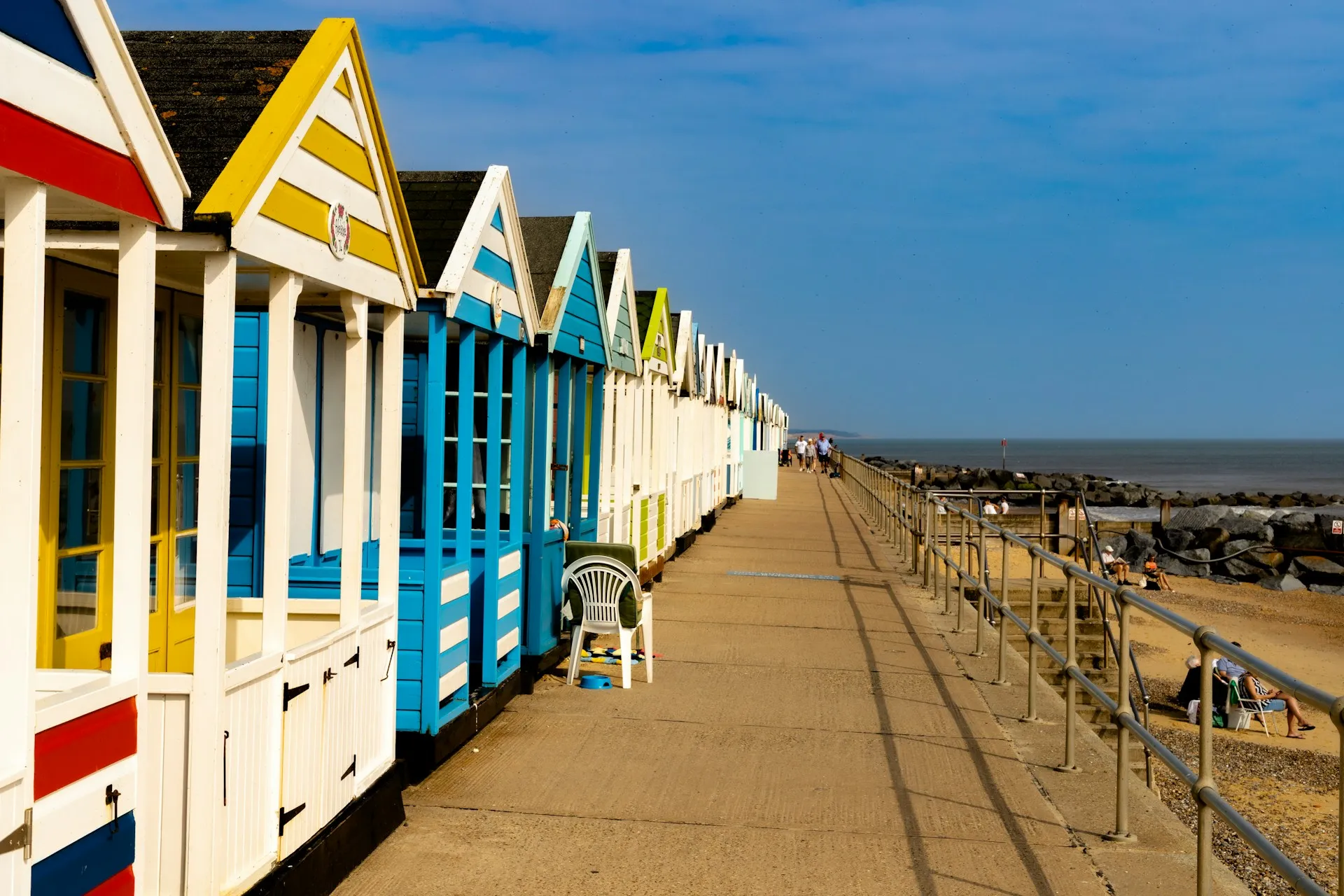
Whether it’s skiing in France, Austria, Switzerland or Italy; or a beach holiday in Spain, France, Greece or Portugal, Britons now vacation throughout the world. Unless you’re one of the 15% that prefer a traditional seaside resort, that is!
Take a look at the stats below to find out exactly how many holidays Brits take each year, and what kind of holidays they prefer.
According to research by Complete Accommodation:
- 86% of the British population went on holiday in 2018
- The average British family spends about £6000 on holidays a year, almost a quarter of the household disposable income
- 34% of British people go on holiday once a year. 42% go twice a year, with 24% travelling three or more times.
- In 2018, 14% of British people took no holidays. 17% only travelled abroad. 26% chose holidays only in the UK, and 43% travelled both within the UK and overseas.
- 66% of British people stay on holiday for a week or longer. 28% opt for 3-5 days, and 16% just for the weekend.
Do you agree with the results? Let us know in the comments!
Main image: Dan Maisey – Unsplash